All About Granular Activated Carbon Water Filtration: Effective Purification Method Explained
Granular activated carbon (GAC) water filtration is a powerful method for cleaning water. I’ve found that this process uses special carbon materials to remove many harmful things from water. GAC filters can get rid of bad tastes, smells, and even some dangerous chemicals that might be in your water.
The carbon used in these filters is “activated,” which means it’s been treated to make it super absorbent. This activated carbon has tons of tiny spaces that can trap impurities as water flows through. It’s like a sponge, but for things you can’t see in your water.
I’ve learned that GAC water filters are used in many places, from home water pitchers to big water treatment plants. They’re good at removing chlorine, pesticides, and other organic compounds. While they don’t catch everything, they’re a key part of many water purification systems. GAC filters can make a big difference in how your water tastes and smells.
Basics of Granular Activated Carbon
Granular activated carbon is a powerful filtering material used in water treatment. It has a unique structure and goes through special processes to gain its impressive abilities.
Types of Activated Carbon
There are two main types of activated carbon used in water filtration. The first is made from coconut shells, which are very common. The second comes from coal. Each type has its own strengths. Coconut shell carbon is great at removing chlorine and organic compounds. Coal-based carbon is better for taking out larger molecules.
I’ve found that the source material affects how well the carbon works. Coconut shell carbon often has more tiny pores. This gives it a bigger surface area to trap contaminants. Coal-based carbon tends to have larger pores, which can be good for certain uses.
The Activation Process
The activation process is what gives activated carbon its special powers. First, the raw material (like coconut shells or coal) is heated to very high temperatures without oxygen. This creates a char. Then, the char goes through activation.
There are two main ways to activate carbon:
- Physical activation: Uses hot gases to create pores
- Chemical activation: Uses chemicals to eat away at the carbon, making pores
The activation process is crucial. It’s what creates all the tiny spaces in the carbon where contaminants get trapped.
Structure and Surface Area
The structure of activated carbon is like a sponge, but on a tiny scale. It’s full of pores and channels. These give it a massive surface area. Just one gram of activated carbon can have a surface area of 500 to 1500 square meters!
Here’s a breakdown of the pore sizes:
- Macropores: > 50 nm
- Mesopores: 2-50 nm
- Micropores: < 2 nm
This variety of pore sizes lets activated carbon trap many different contaminants. The huge surface area is why it’s so good at cleaning water. More surface area means more places for unwanted stuff to stick.
Mechanisms of Contaminant Removal
Granular activated carbon (GAC) removes contaminants through several key processes. These mechanisms work together to effectively clean water of various impurities.
Adsorption Principles
Adsorption is the main way GAC filters remove contaminants. As water flows through the filter, impurities stick to the carbon’s surface. This happens because of attractive forces between the carbon and contaminants.
The carbon’s large surface area is key. One gram of GAC can have up to 1000 square meters of surface area. This gives lots of sites for contaminants to attach.
GAC is great at removing organic compounds. It can take out pesticides, bacteria, and some heavy metals. It also removes bad tastes and smells from water.
Understanding Pore Size and Distribution
The pores in GAC come in different sizes. This helps it catch many types of contaminants.
• Macropores: > 50 nm • Mesopores: 2-50 nm • Micropores: < 2 nm
Micropores do most of the adsorption work. They catch small molecules like trihalomethanes and chloramines.
Bigger pores help water flow through the filter. They also catch larger particles. This protects the smaller pores from clogging too fast.
Factors Affecting Filtration Efficacy
Several things impact how well GAC filters work:
- Contact time: Longer contact lets more contaminants stick.
- Flow rate: Slower flow improves removal.
- Water temperature: Warmer water can reduce adsorption.
- pH level: Affects how well some contaminants stick.
- Competing substances: Other impurities can take up space.
The type of carbon matters too. Some are better for certain contaminants. For instance, coconut shell carbon often works well for organic compounds.
Regular maintenance is crucial. Over time, the carbon gets full of contaminants. This reduces its ability to clean water. Replacing or regenerating the carbon helps keep the filter working well.
Comparison with Other Water Filtration Methods
Granular activated carbon (GAC) is just one of many water filtration methods. Each type has its own strengths and weaknesses. Let’s look at how GAC compares to other popular options.
Granular Activated Carbon vs. Carbon Block Filters
GAC and carbon block filters both use activated carbon, but they work differently. GAC uses loose carbon granules, while carbon blocks are made of compressed carbon particles.
GAC filters have larger spaces between granules, allowing for faster water flow. This makes them good for whole-house systems. Carbon blocks have smaller pores, which can trap more contaminants. They’re often used in point-of-use filters like pitchers or faucet attachments.
Carbon block filters can remove particles as small as 0.5 microns. GAC filters typically remove larger particles, around 20 microns. Both types are effective at removing chlorine, bad tastes, and odors.
GAC Filters and Reverse Osmosis
Reverse osmosis (RO) is a more intense filtration method than GAC. It uses a semi-permeable membrane to remove tiny particles and dissolved solids.
RO can remove up to 99% of contaminants, including minerals. GAC filters are less effective at removing dissolved solids but can improve taste and remove organic compounds.
Many RO systems use GAC filters as a pre-treatment step. This protects the RO membrane from chlorine damage. Combining filtration methods can provide more thorough water treatment.
Alternative Technologies in Water Filtration
There are several other water filtration technologies besides GAC and RO. UV light systems kill bacteria and viruses but don’t remove particles. Ceramic filters can remove bacteria and protozoa but not chemicals.
Ion exchange softeners remove hard minerals like calcium and magnesium. They’re often used with GAC filters for more complete water treatment.
Distillation boils water and collects the steam, leaving contaminants behind. It’s very effective but slow and energy-intensive. GAC filters are simpler and cheaper to operate.
Each method has its place. The best choice depends on your specific water quality issues and filtration needs.
Maintenance and Practical Considerations
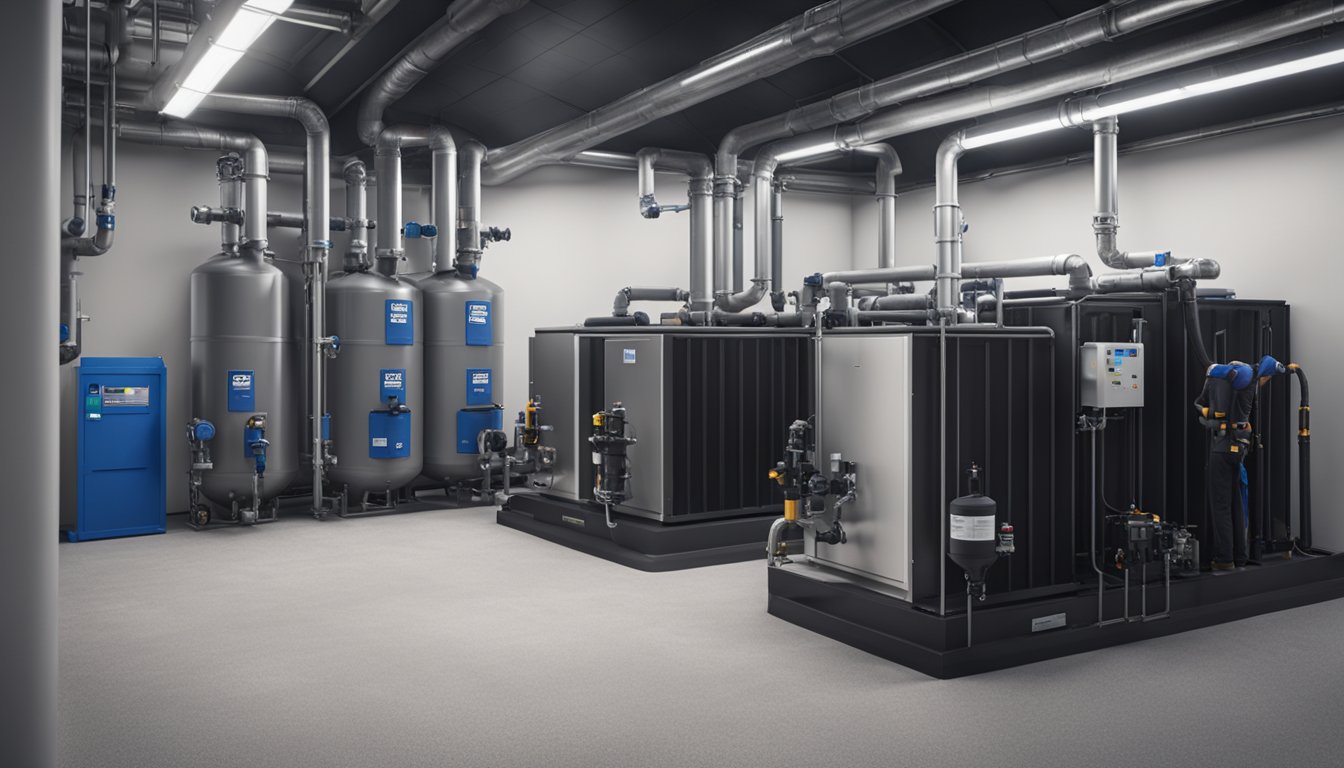
Keeping granular activated carbon (GAC) filters in top shape requires regular care and monitoring. I’ll cover key aspects of maintenance, performance evaluation, and applications across different settings.
Replacement and Reactivation of GAC
GAC filters need regular upkeep to work well. I recommend replacing the carbon every 6-12 months for home use. This timeline can vary based on water quality and usage.
For bigger systems, reactivation is an option. This process heats used carbon to remove trapped contaminants. It can be done 5-10 times before the carbon loses effectiveness.
Reactivation costs less than buying new carbon. It also creates less waste. But it requires special equipment and isn’t practical for small home filters.
Signs it’s time to replace or reactivate GAC:
- Bad tastes or smells in filtered water
- Reduced water flow
- Higher levels of contaminants in test results
Evaluating Water Quality and Filter Performance
Regular testing is key to ensure GAC filters work properly. I suggest testing your water every 3-6 months.
Things to check:
- Contaminant levels (before and after filtration)
- pH
- Total dissolved solids (TDS)
- Chlorine levels
You can use home test kits or send samples to a lab. Professional testing gives more detailed results.
Keep a log of test results. This helps spot trends and decide when to replace filters. If you see contaminants increasing, it’s time for maintenance.
GAC in Residential vs. Commercial Applications
GAC filters work in homes and businesses, but with some differences.
Residential systems are usually smaller. They often combine GAC with other filter types. These systems need less maintenance but more frequent carbon changes.
Commercial systems are bigger and more complex. They might use large tanks filled with GAC. These can handle high water flow rates.
Big systems need careful monitoring. They often have automatic backwash cycles to clean the carbon. This extends filter life and maintains performance.
For both types, proper sizing is crucial. Too small, and the filter won’t work well. Too big, and you waste money and resources.